GRADING

SERVICE OVERVIEW


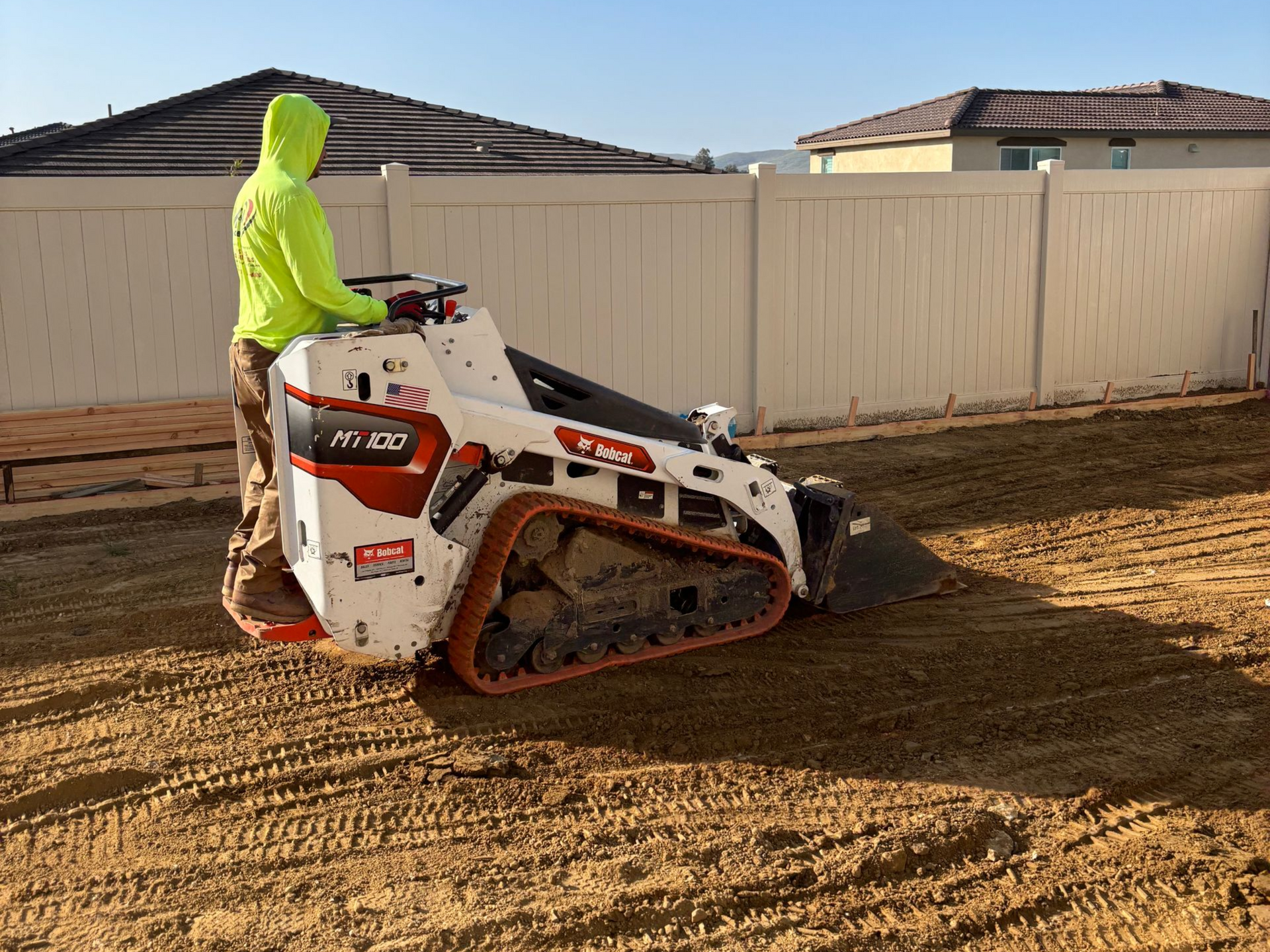
At M&M Concrete, we provide expert grading services designed to create a strong, level foundation for any construction or concrete project. Proper grading is essential for stability, drainage, and long-term performance — and our team ensures every site is perfectly prepared before the first pour or build begins.


Using modern equipment and precise techniques, we handle everything from rough grading to final grading for residential and commercial properties. Whether you’re preparing for a new driveway, foundation, patio, or complete site development, our crew delivers accurate, efficient, and cost-effective results every time.


We take pride in our attention to detail, ensuring proper elevation, slope, and drainage to prevent future issues like cracking, shifting, or water pooling. With M&M Concrete, you can trust that your project starts on a solid foundation.
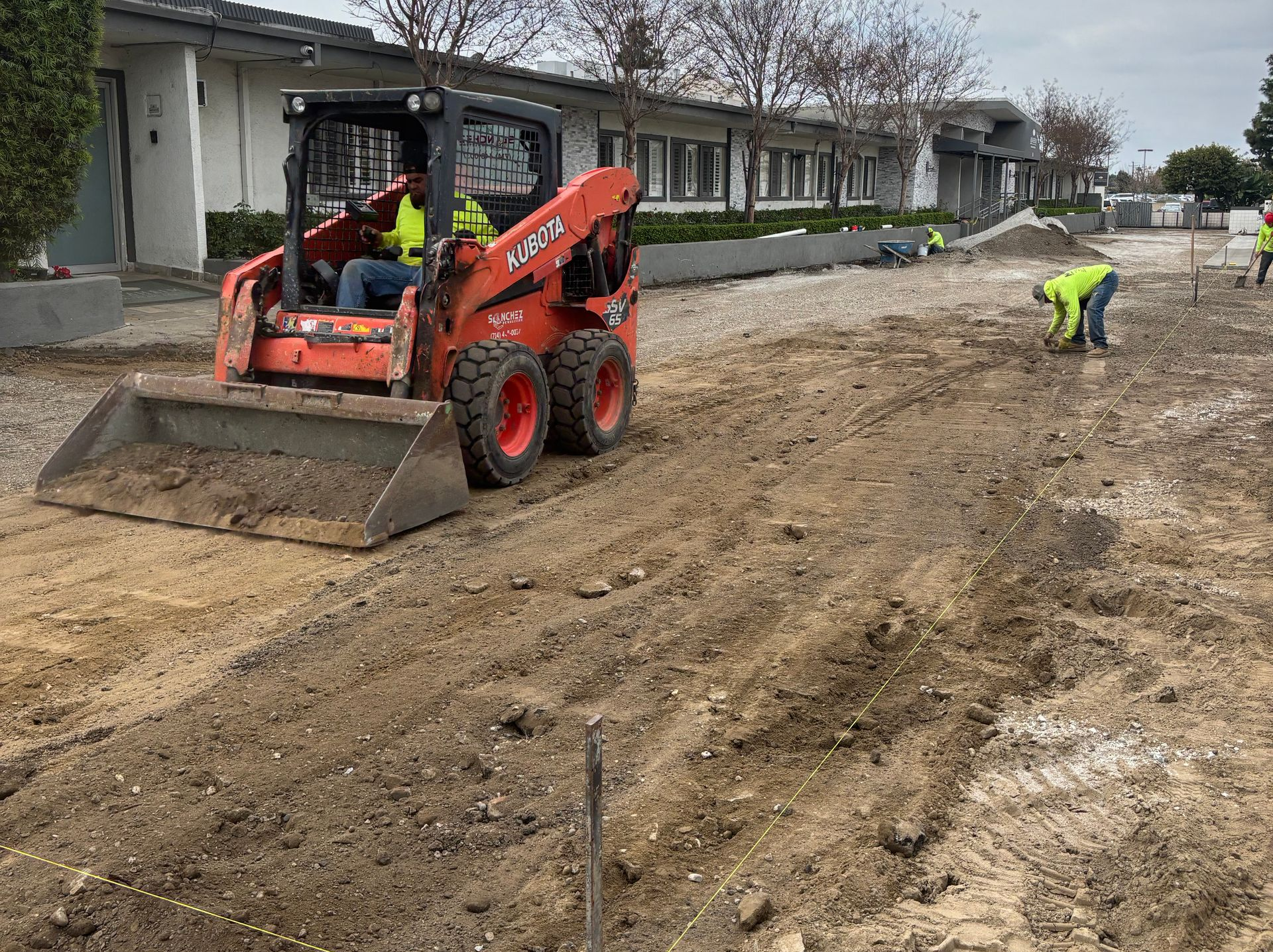
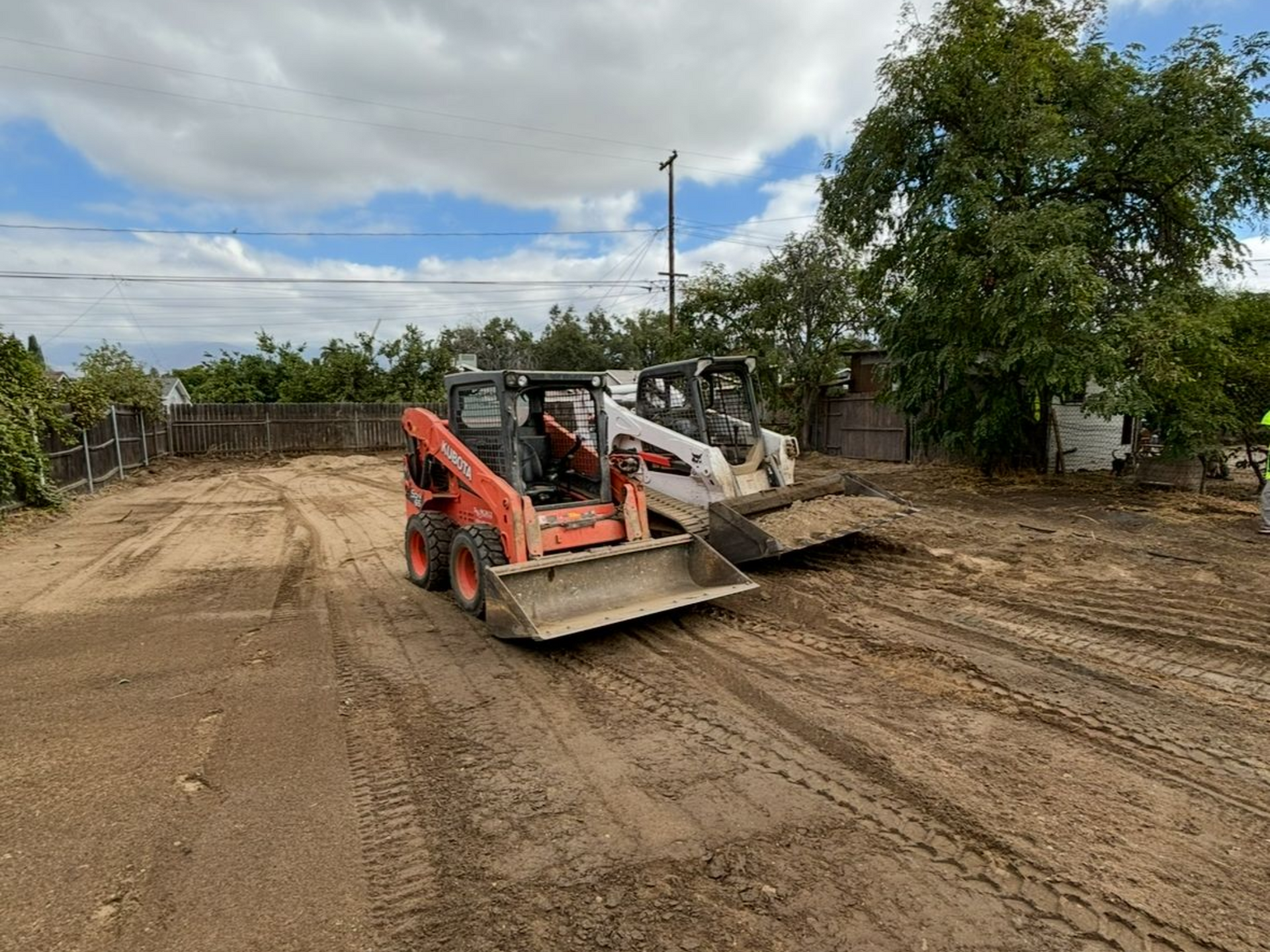
Subgrade preparation and grading for asphalt in Anaheim California

Our Grading Services Include:


  • Rough and fine grading
  • Lot leveling and site preparation
  • Driveway and foundation grading
  • Drainage correction and slope adjustment
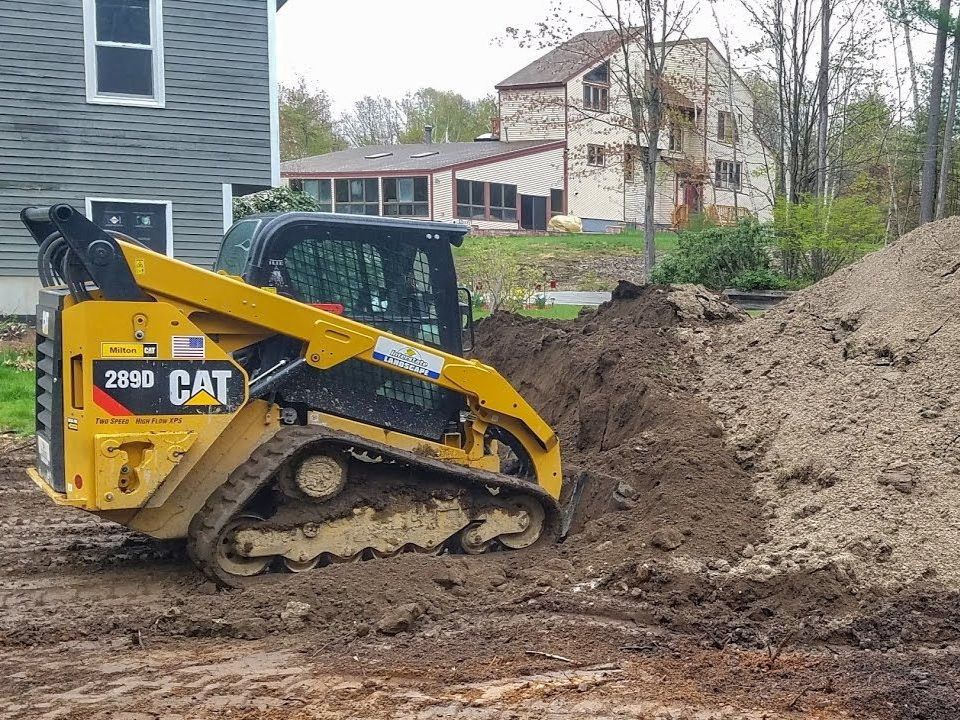
  • Excavation and dirt removal


We’re fully licensed and insured, with years of hands-on experience serving San Bernardino and surrounding areas. From small residential jobs to large-scale commercial sites, M&M Concrete delivers dependable, high-quality grading that sets your project up for success.


Contact us today for a free estimate and see why homeowners, builders, and contractors across the Inland Empire choose M&M Concrete for professional grading services.

ARE YOU INTERESTED IN A FREE CONCRETE QUOTE?

CLICK THE BUTTON BELOW TO SCHEDULE YOUR FREE CONSULTATION TODAY!

CONTACT NOW

POPULAR QUESTIONS


  • Are you licensed and insured?

    Yes, M&M Concrete is fully licensed and insured. We understand the importance of ensuring your concrete project is handled by a professional team you can trust. As a licensed concrete contractor, M&M Concrete meets all local regulatory requirements and adheres to industry standards, guaranteeing safe and reliable service. Our comprehensive insurance coverage protects both our team and your property, giving you peace of mind throughout the duration of the project. Choose M&M Concrete for your next concrete installation or repair and know that you're working with a fully licensed, insured, and trusted concrete contractor.

  • What is the difference between rough grading and finish grading?

    Concrete work requires knowledge and skill. There are fundamental skills that the average homeowner does not have. Some basic skills that are required are using a hammer, chalk lines, and saws; however, more specialized skills include the use of straightedge, a concrete edger, a hand float and others.


    Besides the use of tools, other areas of expertise include site excavation, preparing the subgrade, putting in concrete form. These areas and the work of placing and finishing concrete is very difficult work. Also, concrete is quite heavy and the timing of the finishing of the project is critical. For all of these reasons and more, most homeowners feel that it is necessary to hire a concrete contractor to do their concrete project.

  • Can you fix a yard that drains toward the house?

    The recommended time can be any time from three to seven days depending on the load that will be on it. Ask your concrete contractor for specific directions on when your driveway can be put back in service.

  • Do you compact the base, and can you provide compaction testing?

    Can it be too hot or too cold to place concrete?


    Yes, both extreme heat and cold can significantly affect the quality and durability of concrete. At M&M Concrete, we take weather conditions seriously and adjust our procedures to ensure that your concrete installation is completed correctly, regardless of the temperature. Here's how temperature can impact your concrete project:


    1. High Temperatures (Hot Weather)

    In hot weather conditions (typically above 85°F or 29°C), concrete can set too quickly, leading to several potential issues:


    Faster Curing: Concrete may begin to cure and harden too quickly, which can result in weak concrete, reduced strength, and potential cracking.


    Uneven Finishing: The surface may dry too fast before finishing work can be completed, leading to imperfections and a less smooth surface.


    Crazing or Surface Cracking: Rapid evaporation can cause the surface to crack and create a condition known as crazing, which can negatively affect the look and longevity of the concrete.


    How We Manage Hot Weather:


    Use of Retarders: We may add chemical retarders to slow the curing process.


    Cooler Materials: Using cooled water or aggregates can help manage the temperature of the concrete mix.


    Frequent Watering: During the curing phase, we might apply a mist or water to keep the surface moist and prevent rapid evaporation.


    Time of Day: Pouring concrete during cooler parts of the day, such as early mornings or evenings, can help mitigate the effects of high temperatures.


    2. Low Temperatures (Cold Weather)

    When the temperature falls below 40°F (4°C), concrete curing is slowed significantly, which can lead to several issues:


    Delayed Strength Gain: Cold temperatures slow down the chemical reaction that hardens the concrete, which means it may take longer to reach its full strength.


    Risk of Freezing: If the concrete freezes before it has properly cured, it can cause permanent damage to the mix, leading to weakened concrete and potential cracking.


    Surface Damage: Frost or ice on the surface can result in scaling or deterioration.


    How We Manage Cold Weather:


    Heated Materials: We may use heated water or aggregates to prevent the mix from getting too cold.


    Insulation and Blankets: After pouring, we use insulating blankets or other methods to keep the concrete warm and protected from freezing.


    Curing Accelerators: Special additives can be used to speed up the curing process and help the concrete gain strength more quickly in cold weather.


    Post-Pour Care: We may take extra care in covering and protecting the concrete during the curing phase to ensure it doesn't freeze.


    Best Temperature Range for Concrete

    Ideally, concrete should be poured when the temperature is between 50°F (10°C) and 85°F (29°C). Within this range, the concrete will cure at the right rate, achieving optimal strength and durability.


    At M&M Concrete, we monitor weather conditions closely and adjust our techniques to ensure that your concrete project is completed with the highest standards of quality, regardless of the season.

  • How much does grading cost in the Inland Empire?

    At M&M Concrete, we understand the importance of preserving your property during the demolition phase of any concrete project. While demolition is a necessary part of many concrete jobs, we take every precaution to minimize damage to your existing landscaping, structures, and surroundings.


    Our experienced team uses professional equipment and techniques to carefully remove old concrete without causing unnecessary harm. In many cases, we can target specific areas for removal while leaving adjacent surfaces intact. We also take steps to protect your lawn, plants, and any nearby structures with barriers and protective materials.


    That being said, some minor disturbance or wear may occur, especially in areas where the existing concrete is tightly integrated with landscaping or other features. We will discuss potential risks with you before starting the demolition and work with you to minimize any impact.


    We take pride in our clean-up efforts and strive to leave your property as neat and damage-free as possible. If you're concerned about potential damage, we're happy to provide guidance and take extra measures to ensure the best possible outcome.

  • Do I need a permit for grading?

    Often yes. Most Inland Empire cities require a grading permit once you move more than a set number of cubic yards, cut or fill past a certain depth, or change how water drains off the property. Smoothing a small backyard pad usually does not trigger one. We work in San Bernardino, Riverside, Fontana, Rialto, Colton and the surrounding cities constantly, we know where each one draws the line, and we will tell you upfront which side of it your job falls on.